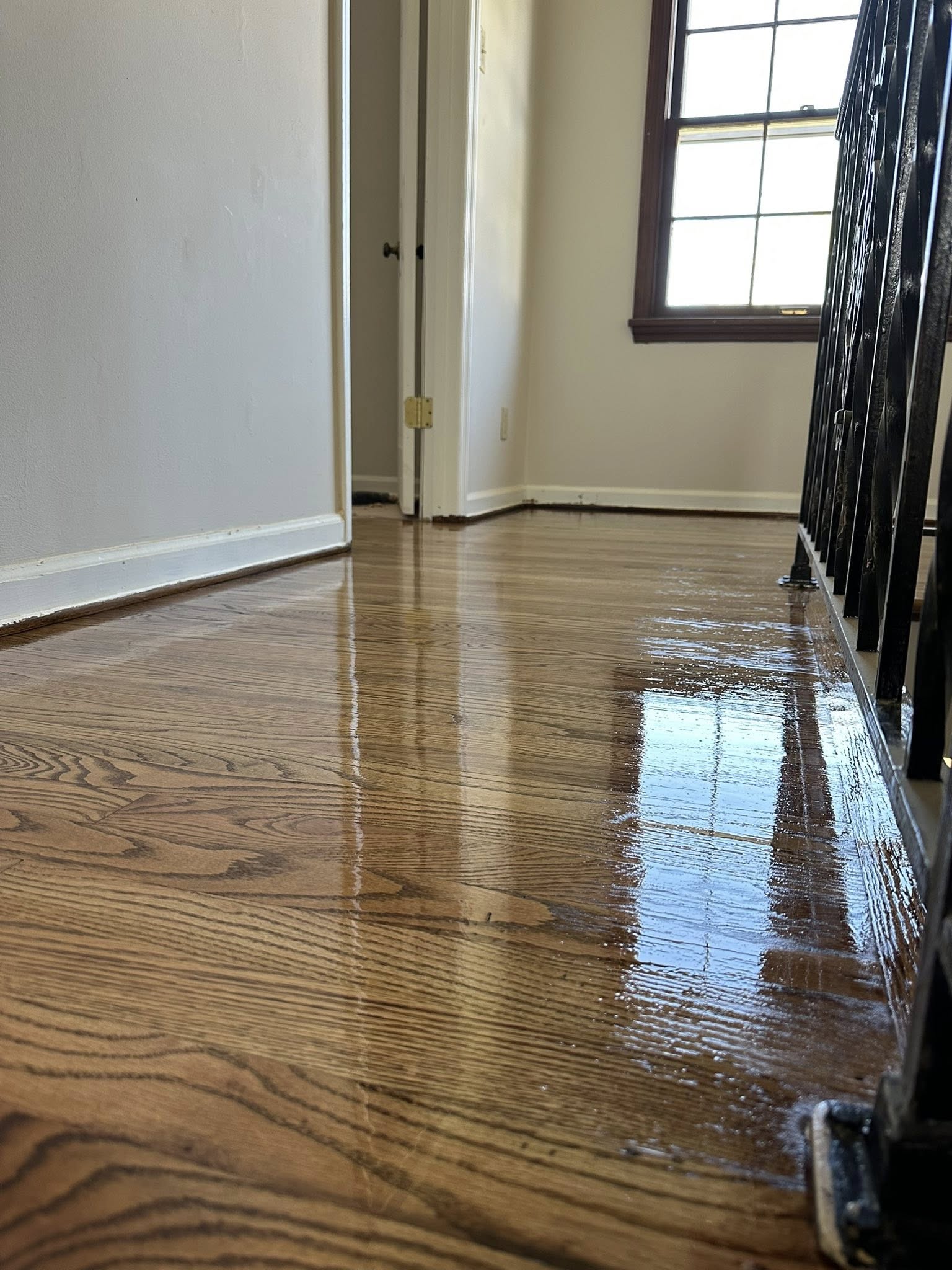
A Step-by-Step Guide to Installing Your Own Laminate Flooring Mar 10, 2026
To begin, let’s talk about preparation. Before you dive into the installation process, you need to have the right tools and materials. Gather essentials such as laminate flooring, underlayment, a tapping block, spacers, a mallet, a tape measure, and a circular saw. Ensure your floor area is clean and free from debris. Laminate flooring must acclimate to the room climate for about 48 hours prior to installation, so do not skip this vital step.
Start by examining the subfloor. It should be clean, dry, and level. Any bumps or protruding nails should be dealt with since irregularities can affect the finished look of your floor. Uneven surfaces can cause the laminate to shift or break over time.
Next, roll out the underlayment across the room. This layer acts as a cushion, providing a soft underfoot feel and minimizing noise. While laying it down, make sure each piece slightly overlaps, and secure them in place using tape. Proper underlayment installation is key because it also helps protect against moisture, ensuring your laminate flooring endures over time.
Now, we move on to the actual laying of the laminate boards. Begin in one corner of the room. Lay the first row of laminate planks with the tongue section facing the wall. Place spacers between the wall and the plank to allow for expansion, which is crucial as laminate can expand or contract with temperature changes. Carefully click the planks into place, making sure they're snugly aligned.
Proceed row by row, using a tapping block and mallet gently if needed to ensure each plank fits securely. Be sure to stagger the joints between rows, an essential step for increasing the strength and visual appeal of your floor. This staggered pattern not only improves stability but also lends a natural, random look that enhances your room’s aesthetic.
When you reach the final row, you might need to cut planks lengthwise to fit. Measure the required width accurately and cut using a circular saw. Carefully snap the pieces into place.
Once all the planks are installed, remove the spacers and install the baseboards to cover the expansion gap you left at the perimeter of the room. Carefully check for any gaps or loose planks, and make necessary adjustments. This ensures a flawless finish and helps to avoid potential issues in the future.
Finally, give the room a thorough cleaning, and admire the stunning transformation! Your newly installed laminate flooring not only adds value to your home but also provides a beautiful surface that combines durability with elegance.
Installing your own laminate flooring can seem daunting at first, but with careful preparation and methodical execution, it becomes a manageable and gratifying project. By following these steps, you'll not only boost your DIY credentials but also achieve a professional-grade finish you'll love. Now you're ready to enjoy and showcase your home's new look, brought to life by your own hands.
/filters:no_upscale()/filters:format(webp)/media/b38d8cec-a3d3-404f-a49b-274f8aeb54cf.jpeg)