Expert Tips for Maintaining Your Floors: A DV Flooring Company LLC Guide Feb 03, 2026
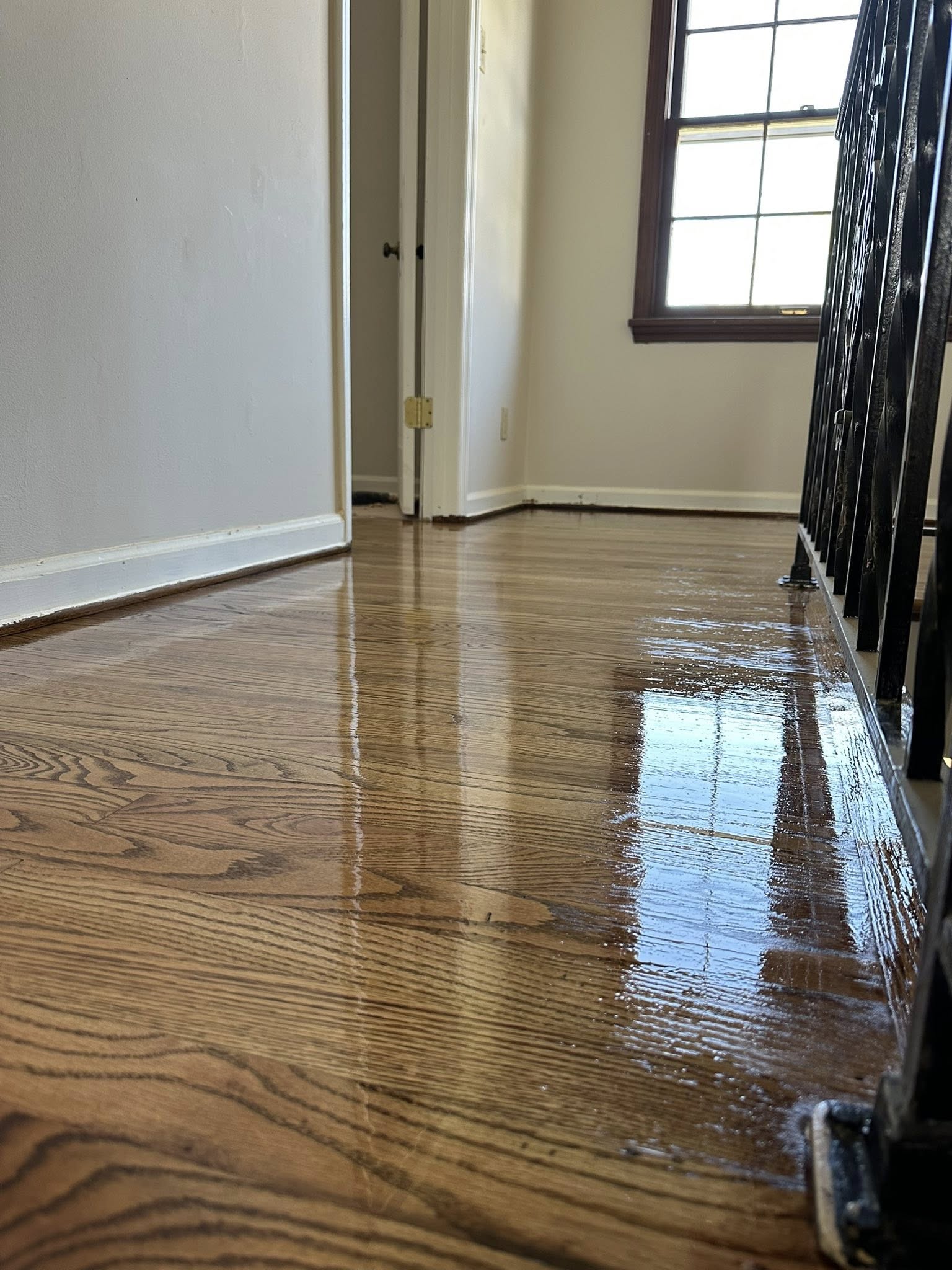
First and foremost, regular cleaning plays a crucial role in floor maintenance. For hardwood floors, a soft-bristle broom or a microfiber dust mop is effective for everyday cleaning. These tools help in removing dust and debris without scratching the surface. When it comes to a deeper clean, use a damp mop and a cleaner specifically designed for wood. Avoid using excessive water, as this can cause warping over time.
Tiles, whether ceramic or porcelain, require different care. Regular sweeping and vacuuming help in removing loose dirt and debris, which can act as an abrasive. For mopping, use warm water and a mild detergent. It’s vital to pay attention to the grout lines, as dirt accumulation can discolor them. A baking soda paste applied with a toothbrush can effectively clean and whiten grout.
Carpets, on the other hand, benefit significantly from regular vacuuming. Aim to vacuum twice a week, or more often in high-traffic areas. Professional steam cleaning is recommended at least once a year to remove deep-seated dirt. Dealing with stains promptly can also preserve your carpet's appearance; blot the stain with a clean cloth and use a suitable carpet cleaner, avoiding rubbing which can spread the stain.
Another important tip is the use of floor mats and area rugs in strategic locations such as entrances and high-traffic zones. These can significantly reduce the amount of dirt and moisture that gets tracked onto your flooring. On carpet, rugs can also diminish wear patterns.
Protecting your floors from scratches and dents is equally important. For hardwood and tile, consider using felt pads under furniture legs and renew them periodically to avoid wear. Be mindful of the type of shoes worn indoors, as high heels can dent wood floors. Encourage family and guests to remove shoes, especially those with spikes or hard soles, to further protect your floors.
Controlling indoor humidity levels is another factor that contributes to floor care, particularly for hardwood floors. Wood is sensitive to changes in moisture levels, which can lead to expansion and contraction. Maintaining a consistent humidity level between 35% and 55% will help prevent these issues.
Finally, periodic inspections are crucial. Regularly inspect your floors for any signs of damage. Early detection of issues such as warping, cracking, or fading allows for timely repair and prevention of more significant problems.
At DV Flooring Company LLC, we believe that a little effort goes a long way. By following these maintenance tips, you can enjoy the lasting beauty and quality of your floors for years to come. Not only does this preserve the aesthetic appeal of your home, but it also enhances the value, making proper floor maintenance a worthy investment. For any specific inquiries or personalized advice, our dedicated team is always ready to assist.
/filters:no_upscale()/filters:format(webp)/media/b38d8cec-a3d3-404f-a49b-274f8aeb54cf.jpeg)